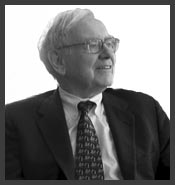
“I buy on the assumption that they could close the market the next day and not reopen it for five years.”
— Warren Buffett
The Warren Buffett investment philosophy calls for a long-term investment horizon, where a five year holding period, or even longer, would fit right into the strategy. How would such a strategy have worked out for an investment into Avery Dennison Corp (NYSE: AVY)? Today, we examine the outcome of a five year investment into the stock back in 2021.
| Start date: | 01/08/2021 |
|
|||
| End date: | 01/07/2026 | ||||
| Start price/share: | $156.75 | ||||
| End price/share: | $180.53 | ||||
| Starting shares: | 63.80 | ||||
| Ending shares: | 69.36 | ||||
| Dividends reinvested/share: | $15.92 | ||||
| Total return: | 25.22% | ||||
| Average annual return: | 4.60% | ||||
| Starting investment: | $10,000.00 | ||||
| Ending investment: | $12,521.56 | ||||

The above analysis shows the five year investment result worked out as follows, with an annualized rate of return of 4.60%. This would have turned a $10K investment made 5 years ago into $12,521.56 today (as of 01/07/2026). On a total return basis, that’s a result of 25.22% (something to think about: how might AVY shares perform over the next 5 years?). [These numbers were computed with the Dividend Channel DRIP Returns Calculator.]
Dividends are always an important investment factor to consider, and Avery Dennison Corp has paid $15.92/share in dividends to shareholders over the past 5 years we looked at above. Many an investor will only invest in stocks that pay dividends, so this component of total return is always an important consideration. Automated reinvestment of dividends into additional shares of stock can be a great way for an investor to compound their returns. The above calculations are done with the assuption that dividends received over time are reinvested (the calcuations use the closing price on ex-date).
Based upon the most recent annualized dividend rate of 3.76/share, we calculate that AVY has a current yield of approximately 2.08%. Another interesting datapoint we can examine is ‘yield on cost’ — in other words, we can express the current annualized dividend of 3.76 against the original $156.75/share purchase price. This works out to a yield on cost of 1.33%.
More investment wisdom to ponder:
“I learned early that there is nothing new in Wall Street. There can’t be because speculation is as old as the hills. Whatever happens in the stock market today has happened before and will happen again. I’ve never forgotten that.” — Jesse Livermore